




In densely populated urban areas, noise pollution is one of the most common sources of discomfort. Traffic, construction, loud neighbors, and general city noise can easily disrupt the peace of your outdoor space. For many homeowners, creating a quiet and relaxing garden has become essential — a private place to unwind from the city’s chaos.
One of the most reliable and visually appealing ways to reduce unwanted noise is by installing gabion walls. These stone-filled metal structures combine contemporary design with impressive sound-insulating performance, making them an excellent choice for modern gardens.
What Are Gabion Walls and How Do They Reduce Noise?
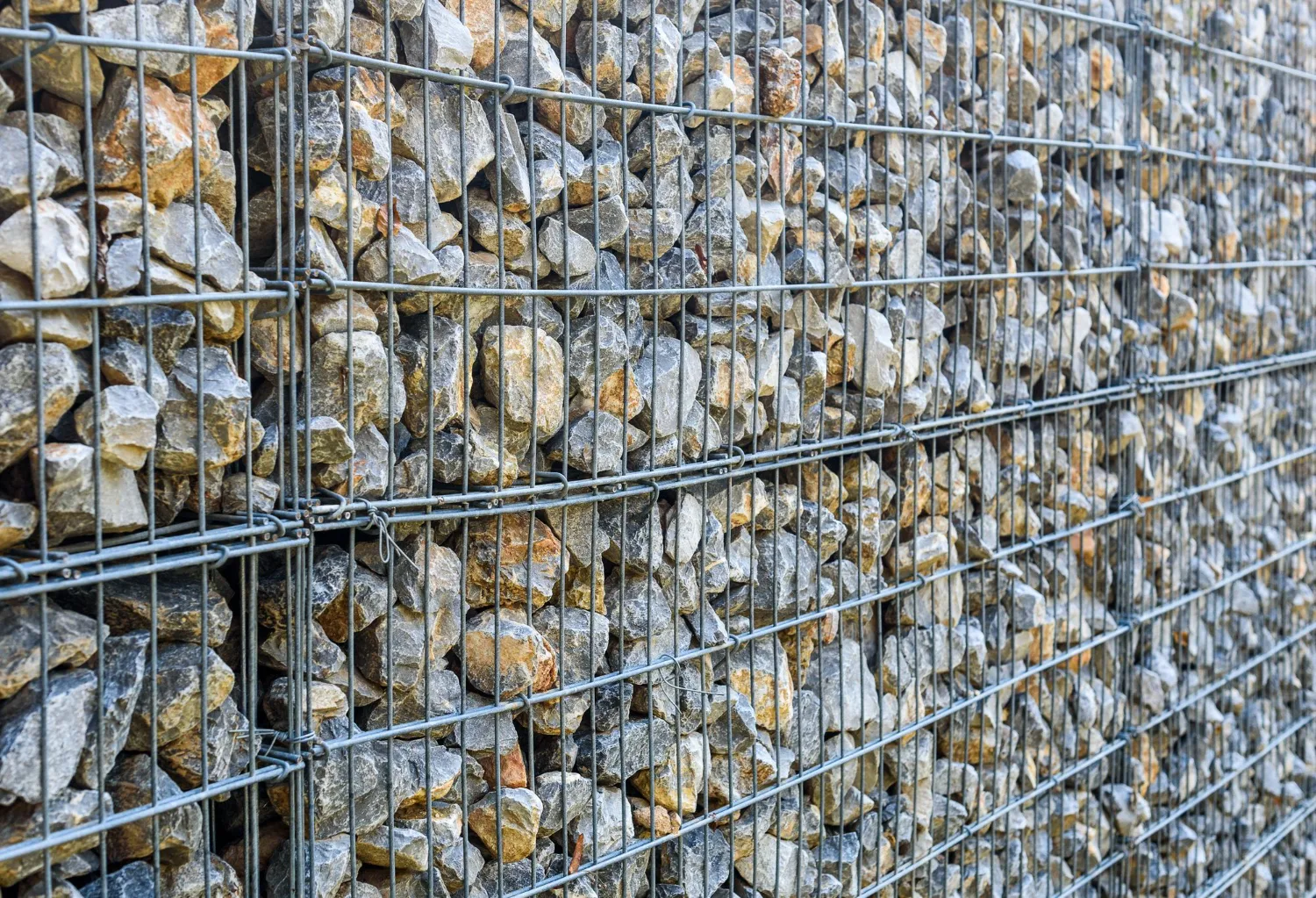
Gabion walls are sturdy wire cages filled with stones, gravel, or other natural materials. Their structure makes them highly effective for acoustic insulation. Instead of reflecting noise like a solid concrete wall, a gabion absorbs and breaks sound waves within its porous interior.
Why gabions block sound so well:
-
Sound absorption: The mix of stones inside the cage disrupts and absorbs sound waves — particularly low-frequency noise such as traffic hum.
-
Porous structure: Unlike hard, flat surfaces, the irregular stone texture prevents sound from bouncing back, reducing overall noise levels.
-
Custom height options: Gabions can be built tall enough to block direct noise paths, making them adaptable to every situation, from busy streets to apartment blocks.
Gabion Wall Variations
Gabions come in different shapes, widths, and heights depending on the design of the garden and the level of sound insulation needed. Some versions are narrow and sleek, ideal for modern landscapes, while others are more robust and modular.
Common options include:
-
Slim gabion panels – for tight spaces and a minimalist look
-
Full gabion wall modules – for solid noise barriers and larger boundaries
-
Multi-height systems – allowing flexibility depending on the noise source
-
Decorative gabions – used as benches, borders, or accent elements
All modern gabions are built from durable, weather-resistant metal and can be filled with a variety of locally sourced stones.
Benefits of Using Gabion Walls for Sound Insulation
1. Excellent Noise Reduction
Gabions absorb sound instead of reflecting it. This lowers noise from cars, machinery, neighbors or city surroundings. Their modular nature allows you to tailor the fence height and thickness to your specific noise problem.
2. Environmentally Friendly
Gabions are filled with natural or recycled materials and have a very low carbon impact. Using local stone further reduces environmental footprint and blends the structure beautifully into the landscape.
3. Stylish, Modern Aesthetic
Gabions fit almost any garden style — from minimalist and contemporary to rustic and natural. Different stone colors and textures allow endless design customisation.
4. Minimal Maintenance
They are exceptionally durable, resistant to weather, and require almost no upkeep. A gabion wall is a long-term investment that keeps its strength and appearance for many years.
5. Multi-Functional
Besides sound insulation, gabions can serve as:
-
property boundaries
-
retaining walls
-
privacy screens
-
decorative elements
-
bases for outdoor lighting or seating
How to Maximise Sound Insulation with Gabions
1. Correct placement
Place the gabion on the side where the noise enters your property. The closer it is to the noise source, the better the insulation.
2. Use proper fill materials
For optimal sound absorption:
-
combine stones of different sizes
-
fill gaps tightly
-
optionally add a dense core of sandbags or concrete blocks for maximum dampening
3. Build the correct height
Sound travels in straight lines.
If you can see the noise source — you can hear it.
For city gardens, a height of around 2 meters is usually most effective.
4. Avoid gaps
The wall must be filled completely. Even small holes weaken the acoustic effect, allowing sound to pass through.
Common Mistakes in Noise-Reducing Gabion Installation
-
Using light or hollow materials — dense stones or gravel are much more effective
-
Building a barrier that’s too low — insufficient height means insufficient insulation
-
Leaving gaps or air pockets — this dramatically reduces performance