




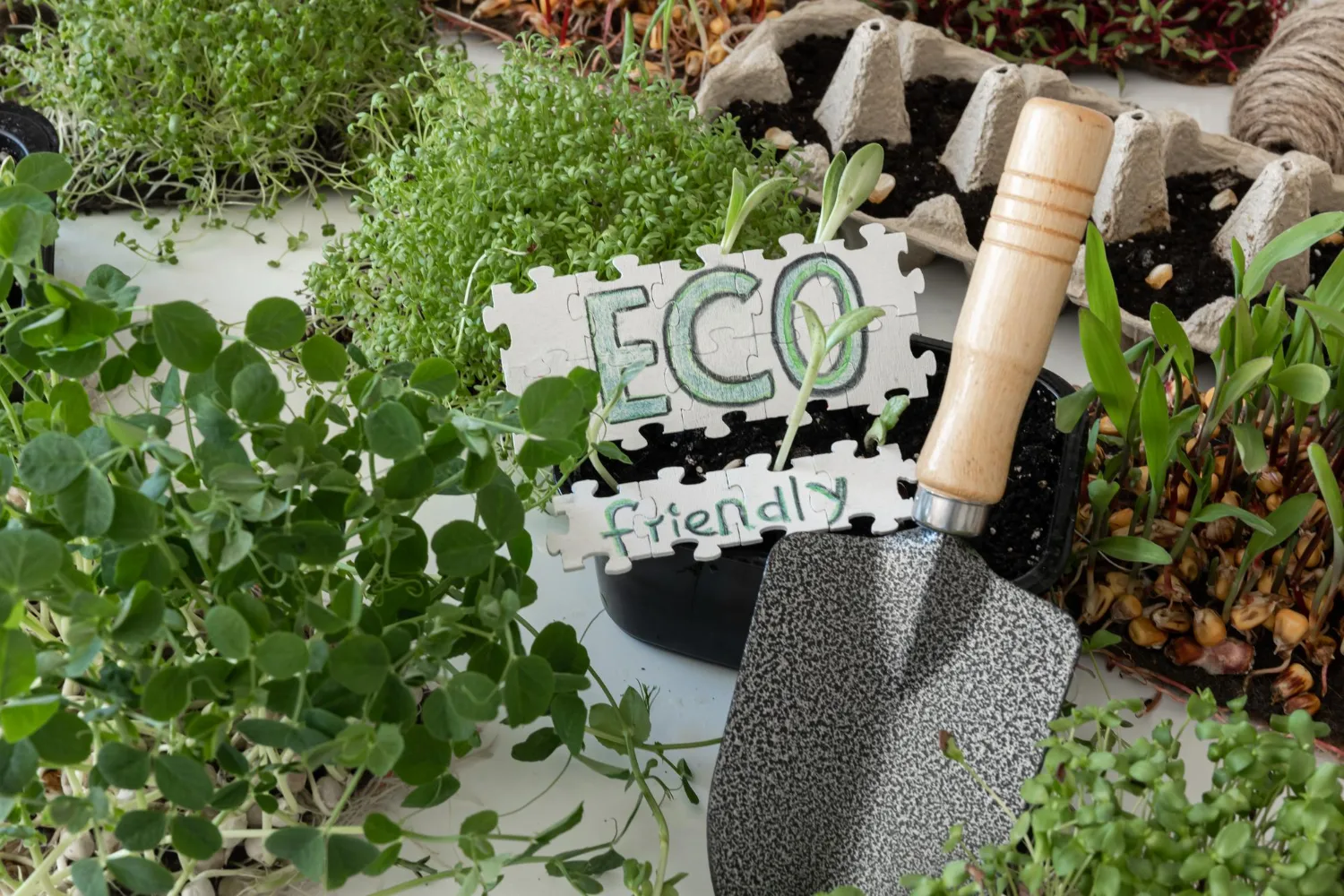
Climate change and environmental protection have become central topics in recent years. More and more people are looking for ways to reduce their ecological footprint — not only through lifestyle and energy use, but also by rethinking how they design and care for their outdoor spaces.
A garden is not just a decorative area around a home. When planned correctly, it can become a small but powerful part of a healthier, more balanced environment. A sustainable garden supports local biodiversity, helps manage rainwater, reduces carbon emissions, and requires fewer resources to maintain.
So what exactly makes a garden “sustainable”?
What Is a Sustainable Garden?
In simple terms, a sustainable garden is a space designed to work with nature instead of against it. It uses natural materials, supports wildlife, reduces waste, and requires fewer chemicals and less maintenance. A sustainable garden uses energy, water, and natural resources in a way that helps — not harms — the environment.
Although most people assume a garden is automatically “green,” the truth is that many traditional gardening practices can unintentionally damage soil, waste water, or disrupt the ecosystem.
Let’s look at what actually makes a garden sustainable.
1. Sustainable Gardens Are Practical and Balanced
Many homeowners focus on perfect aesthetics — trimmed lawns, removed weeds, “clean” flowerbeds. However, this approach sometimes harms soil health and reduces biodiversity.
A sustainable garden takes the opposite approach:
-
It supports natural plant growth.
-
It allows certain wild plants to remain, especially if they feed local insects.
-
It avoids unnecessary chemical treatments.
Not every plant that looks like a “weed” is harmful. Some play an important role in maintaining soil structure, attracting pollinators, and creating a stable micro-ecosystem.
2. Sustainable Gardens Help Manage Water Naturally
Modern cities struggle with heavy rainfall, flooding, and rapid water runoff. A sustainable garden helps slow down and absorb rainwater by:
-
using permeable surfaces,
-
planting deep-rooted plants,
-
creating rain gardens,
-
adding natural groundcover.
This reduces puddles, protects the soil, and helps groundwater replenish naturally.
3. Sustainable Gardens Support Local Wildlife
A truly green garden is full of life: bees, butterflies, earthworms, birds, frogs, beneficial insects. You can support wildlife in many simple ways:
-
Create areas with native flowers and wild plants.
-
Add a small pond or water feature.
-
Use natural stone, wood, and shrubbery to create shelter for animals.
-
Avoid excessive pesticides.
These elements help pollination, keep pests under control naturally, and maintain a healthy, vibrant ecosystem.
Gardening also supports mental health — spending time outdoors reduces stress and improves overall well-being.
4. Sustainable Gardens Are Climate-Resilient
Climate change means:
-
more rain,
-
more heat,
-
more pests,
-
unpredictable seasons.
A sustainable garden is designed to adapt to these changes. This includes choosing hardy plant varieties, planning for proper drainage, improving soil structure, and using mulch to retain moisture and reduce temperature swings.
With thoughtful planning, the garden remains healthy even in harsher weather conditions.
5. Sustainable Gardens Reduce Your Carbon Footprint
Small steps make a big difference. By designing an eco-friendly outdoor space, you can:
-
reduce waste,
-
support biodiversity,
-
improve local air quality,
-
reduce the need for resource-heavy maintenance,
-
inspire your neighbors and community.
A single household garden may seem insignificant, but when millions of people make more sustainable choices, the environmental impact becomes enormous.
Final Thoughts
A sustainable garden is not about perfection — it’s about creating a space that evolves naturally, supports life, and reduces environmental pressure. You don’t need to redesign everything overnight. Even small changes, introduced step by step, can transform your outdoor space into an eco-friendly, climate-resilient environment.
If you’re unsure where to begin, we can help guide you with ideas, examples, and practical solutions to make your garden more sustainable — one simple step at a time.