




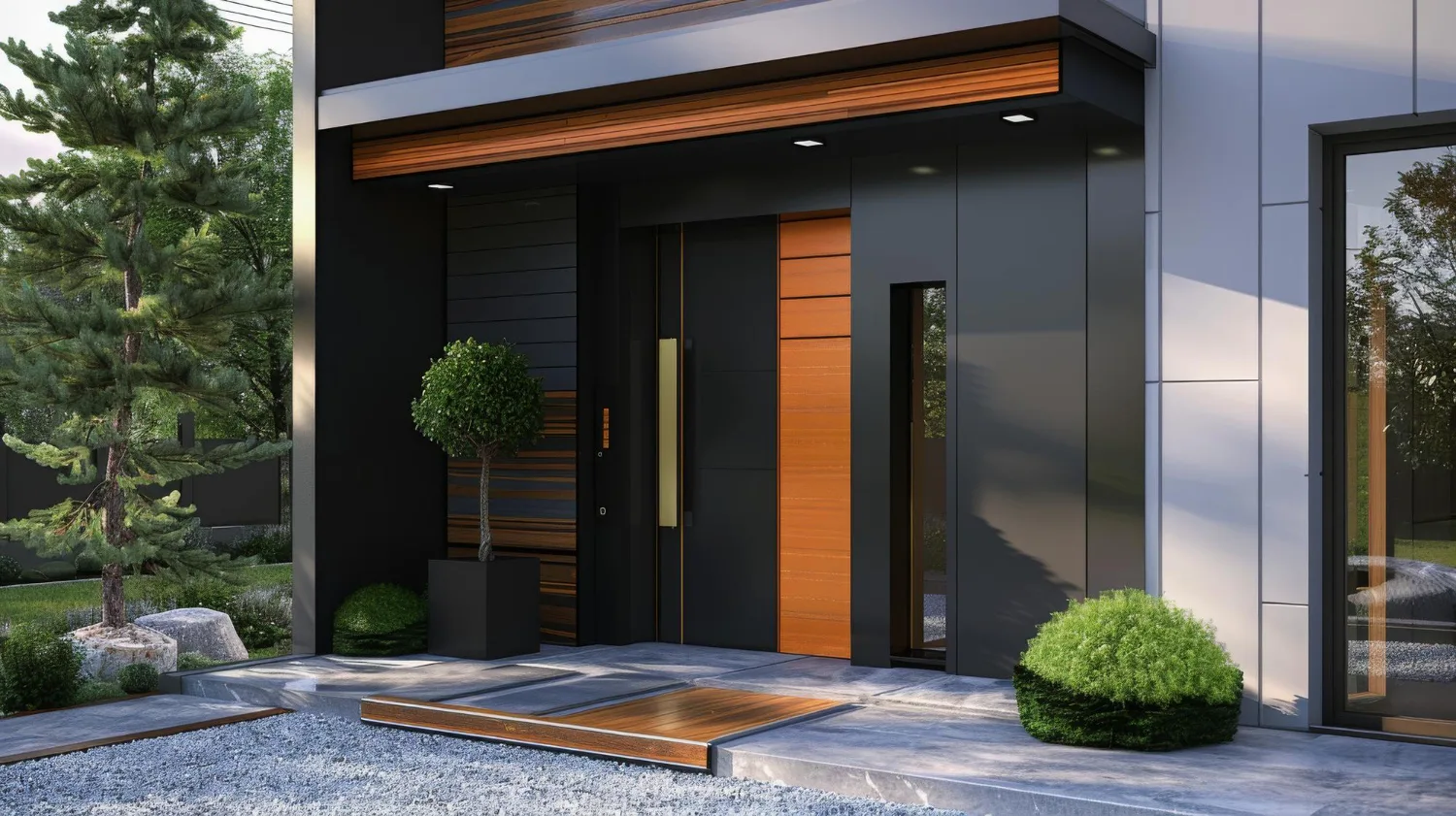
An entrance door should last for decades — ideally as long as the house itself. However, constant use, temperature fluctuations, moisture, and natural wear eventually take their toll. Even a high-quality door is not eternal.
How do you know when it’s time for a replacement? There are several clear signs.
1. The Door Is Damaged
Minor scratches are normal. But if you notice cracks, dents, deformation, corrosion, or rot, this is already a warning sign.
Main problems:
-
rust — weakens the structure from the inside
-
cracking and peeling coating — especially relevant for wood
-
worn hinges — play, squeaking, sagging
A damaged door is not only about appearance — it also means reduced security.
2. The Door Is Difficult to Open or Close
An entrance door should operate smoothly and without effort. If it jams, rubs against the frame, or requires force, the problem may be deeper than just loose hinges.
A common cause is deformation due to temperature and humidity changes. Wooden doors are especially prone to this.
When the door leaf no longer fits tightly to the frame, gaps appear — which leads to heat loss.
3. Draughts When the Door Is Closed
If you feel cold air near the entrance, that’s a bad sign.
Simple checks:
-
run your hand along the seals
-
hold a lighter near the gasket
-
flame movement indicates air leakage
Possible causes:
-
worn or missing seal
-
incorrect installation
-
door leaf deformation
Replacing the seal may help temporarily. If the issue is structural, replacing the entire door is more logical.
4. Heating or Cooling Costs Are Increasing
Poor insulation directly affects expenses.
If your heating or air conditioning system works harder than before and energy consumption increases, the entrance door may be the reason.
Modern energy-efficient doors:
-
multi-layer construction
-
thermal break technology
-
tight sealing
A new door is an investment, but it pays off through reduced energy loss.
5. You Don’t Feel Safe
One of the main functions of an entrance door is protection.
Over time:
-
locks become outdated
-
the structure loses rigidity
-
security technologies evolve
Modern solutions offer:
-
reinforced anti-burglary systems
-
multi-point locking
-
concealed hinges
-
electronic access systems (fingerprint, Bluetooth, mobile control)
An old door can become the weak point in your home security.
6. The Design Is Outdated
The entrance door is a key element of the facade and creates the first impression.
If the facade has been renovated but the door looks outdated, visual imbalance appears.
Modern trends:
-
minimalism
-
matte surfaces
-
warm natural tones
-
wood textures
-
anthracite and black accents
-
concealed handles
-
integrated lighting
A new designer door increases the visual value of the property and may raise its market price.
Which Material Should You Choose?
Wood is beautiful but requires maintenance and is sensitive to weather.
Modern aluminium doors:
-
resistant to moisture and temperature changes
-
do not deform
-
do not rot or corrode
-
require minimal maintenance
-
provide excellent thermal and sound insulation
Models with wood-effect finishes combine natural aesthetics with aluminium durability.
Door Replacement: Installation Matters Too
Even the best door will not perform properly if installed incorrectly.
Professional installation directly affects:
-
service life
-
airtightness
-
security
-
energy efficiency
Conclusion
If you notice:
-
damage
-
draughts
-
difficulty opening
-
rising bills
-
feeling unsafe
-
outdated appearance
— your door is no longer performing at 100%.
A modern entrance door is not just a structural element. It is security, comfort, savings, and style in one solution.
[/vc_column_text][/vc_column][/vc_row]