




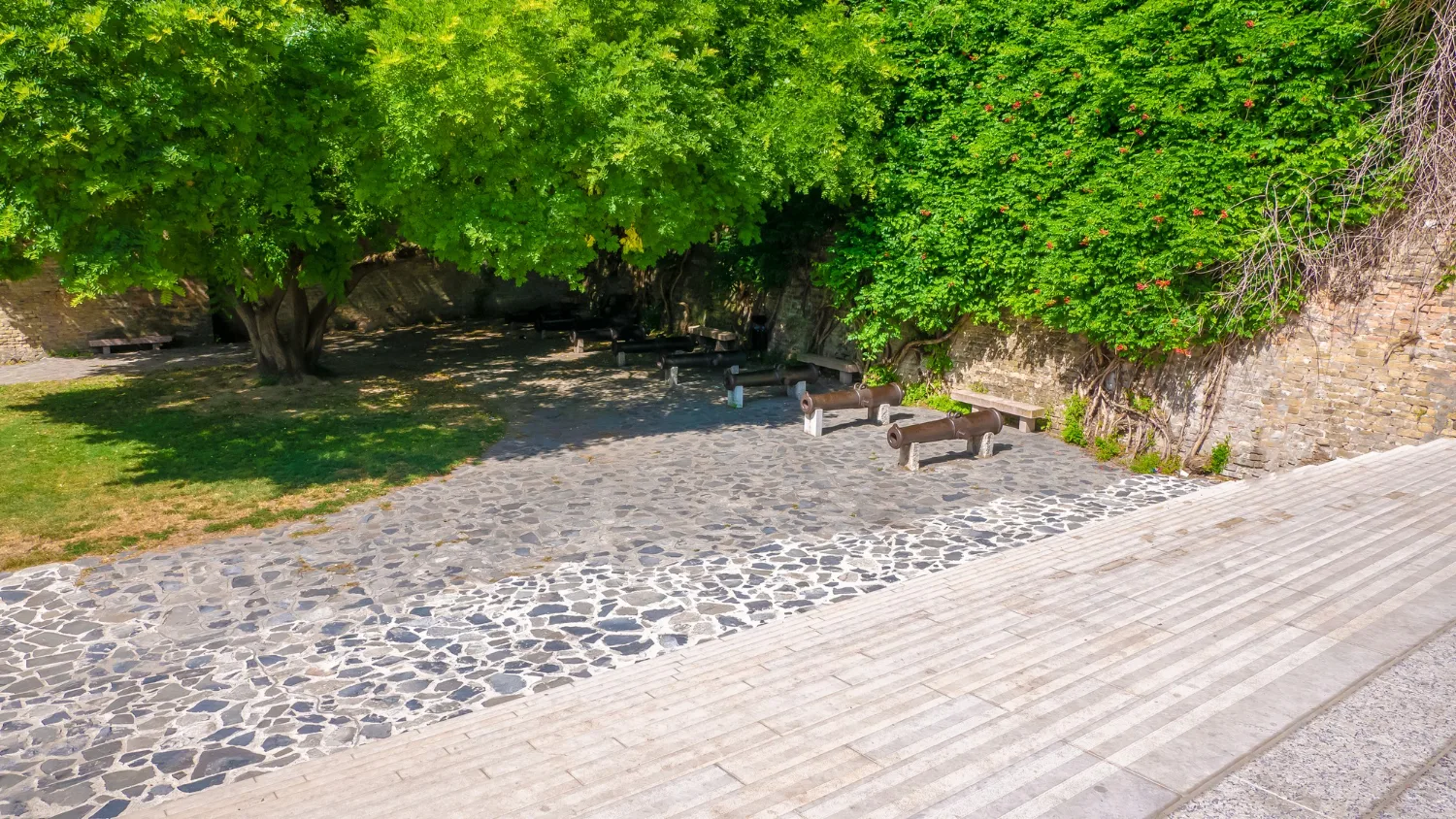
Water accumulating on a terrace is one of the most common problems homeowners face, especially during heavy rainfall. Standing water not only looks unpleasant but can also damage the structure beneath the paving and create slippery, unsafe surfaces. Luckily, there are several effective drainage solutions — including gravel grids, permeable joint fillers, and drainage base panels — that help keep patios dry and functional in all weather conditions.
Why Proper Water Management Matters
Traditional paving systems (tiles, stone slabs, concrete blocks) often do not allow water to drain quickly enough. When rainwater cannot seep into the soil, it remains on the surface and forms puddles. Over time this can cause:
-
moisture damage
-
frost-related cracks
-
sinking or shifting of paving stones
-
algae buildup and slippery areas
A terrace that stays wet for long periods also becomes harder to maintain and less safe to walk on. That’s why permeable construction layers and drainage solutions are crucial for long-term durability.
Permeable Joint Fillers – Better Drainage Between Tiles
One effective way to reduce water pooling is to use water-permeable joint fillers. These materials are designed to allow water to flow through the joints instead of remaining on the surface.
Their main benefits:
-
rainwater passes directly into the subsoil
-
reduces puddles and surface moisture
-
prevents frost damage
-
helps suppress weed growth
Depending on the project, you can choose between:
-
Permeable joint sands — suitable for patios, walkways, and low-traffic areas
-
Permeable joint mortars — ideal for heavier loads and wider joints
Permeable joint solutions ensure that water finds its way into the underlying layers quickly and safely.
Gravel Grids – Stable and Water-Permeable Patio Base
A properly constructed patio needs a base that remains stable while still allowing rainwater to drain through. Gravel grids are one of the most efficient ways to achieve this.
They offer:
-
excellent stability thanks to their honeycomb structure
-
high water permeability
-
resistance to frost and deformation
-
prevention of gravel displacement
-
a natural-looking surface
Gravel grids create a stable walking and driving surface while ensuring that water can infiltrate the soil instead of pooling on top.
Drainage Panels for Artificial Grass or Tile Areas
Another useful solution is the use of drainage tiles or base panels. These modular plates are placed beneath artificial grass or paving to create an air and water buffer.
Their advantages include:
-
fast vertical and horizontal drainage
-
high water retention capacity
-
reduced risk of water pooling
-
less excavation needed during installation
-
flexibility and durability even in low temperatures
Drainage panels help maintain a dry patio surface throughout the year and support proper infiltration of rainwater into the soil.
Benefits of a Permeable Patio System
A terrace built with permeable solutions provides several long-term advantages:
✔ No more puddles
Water drains instantly, keeping the patio dry and safe.
✔ Lower maintenance
Less risk of cracking, sinking, or frost damage.
✔ Environmentally friendly
Rainwater returns to the soil, supporting the natural groundwater cycle and reducing pressure on stormwater systems.
Conclusion
Water pooling on patios is a solvable problem. By using permeable joint fillers, gravel grids, or drainage base panels, you can significantly improve the drainage capacity of your outdoor area. These solutions keep your patio looking clean and well-maintained while extending its lifespan.
If you are planning to renovate your outdoor space, consider incorporating permeable systems — they ensure a long-lasting, functional, and sustainable patio.